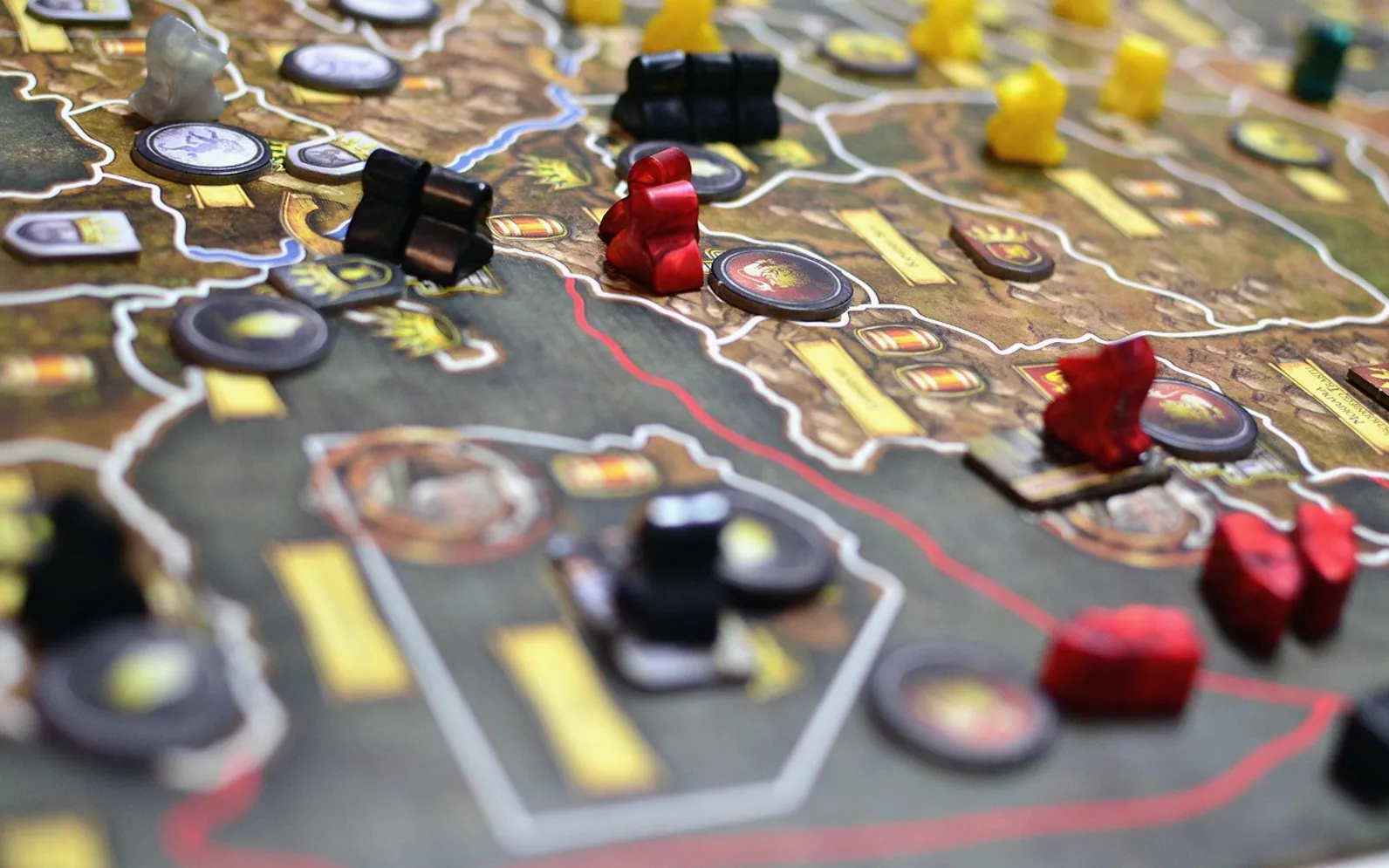
A game night is one of the easiest ways to bring people together. It costs little, it works for almost any age group, and it gives guests something to do besides making small talk. Yet anyone who has hosted one knows how it can go sideways: the rules take forty minutes to explain, half the group sits out, or the snacks get crumbs all over the cards.
Here is how to plan a game night that runs smoothly and leaves people asking when the next one is.
Decide on the kind of night you want
Start with the mood. A relaxed evening of party games with lots of laughter needs a different plan from a focused session of strategy games among keen players. Neither is better; they simply suit different groups. Thinking about this first makes every other choice easier.
- Casual and social: quick rules, lots of talking, easy to join halfway.
- Family-friendly: games that work across ages and reading levels.
- Strategy night: fewer, longer games with players who enjoy a challenge.
- Video game evening: couch co-op, party titles or friendly tournaments.
Get the guest list right
Group size shapes everything. Many board and card games play best with four to six people. Larger groups usually do better with team-based party games or by splitting into two tables. Before sending invitations, think about whether your guests know each other, whether anyone is likely to feel left out, and whether children are coming.
Invite people with enough notice and say plainly what kind of evening it is. "Relaxed party games and pizza" sets clear expectations.
Choose games for the group, not for yourself
It is tempting to bring out your favourite complex game, but the best choice is the one your guests will enjoy. A good mix often looks like this:
| Slot in the evening | Type of game | Why it works |
|---|---|---|
| While people arrive | Short card or dice game | Easy to join or leave between rounds |
| Main event | Group or team game | Gets everyone involved and laughing |
| Second half | Something a little deeper | Players are warmed up and settled |
| Wind-down | Quick, light filler | Ends on a high without dragging on |
Have one or two backup options in case a game falls flat. Reading the room and switching early is better than pushing through an hour nobody is enjoying.
Learn the rules before guests arrive
Nothing slows a game night more than reading the rulebook aloud. Play a practice round alone or with a housemate beforehand, so you can explain the game in a few minutes. Start with the goal, then how a turn works, and save the rare exceptions until they come up.
Include digital games thoughtfully
Video games can be a wonderful part of the evening, especially games that let several players join on one screen or across different devices. If your group mixes consoles and computers, cross-platform play can help everyone join in; our piece on cross-play Minecraft servers explains how that idea works in one popular game. Make sure controllers are charged, updates are installed and everyone can see the screen from where they sit.
Set up the space
- Table space: clear more room than you think. Boards, cards and drinks spread quickly.
- Seating: everyone should reach the play area without stretching.
- Lighting: bright enough to read cards, warm enough to feel cosy.
- Side tables: keep drinks off the game surface to avoid spills.
- Background music: soft and steady, so it never competes with the conversation.
For the soundtrack, a gentle, unobtrusive list works best. Our guide on making a playlist people actually enjoy shows how to keep the music in the background where it belongs.
Plan snacks that work with games
Greasy fingers and cards do not mix. Choose food that is easy to eat with one hand and leaves little mess: vegetable sticks with dips, pretzels, popcorn served with small bowls, mini sandwiches or a pizza you serve during a break between games. Offer a few drinks, including plenty of non-alcoholic options, and set them on a separate surface.
Ask about dietary needs
A quick question in the invitation about allergies or preferences saves awkward moments and helps everyone feel welcome.
Keep the atmosphere friendly
Competitive spirit is fun until it is not. As host, you set the tone:
- Celebrate clever moves, whoever makes them.
- Help newer players with gentle hints rather than taking over their turn.
- Rotate team members so the same people are not always together.
- Call time on a game that is dragging rather than letting it fizzle.
End on a good note
Finish with a short, light game so the evening closes on laughter rather than a tense final score. Thank everyone for coming, and if the night went well, suggest a date for the next one while the mood is high. Regular game nights, even once a month, have a way of becoming a tradition people genuinely look forward to.