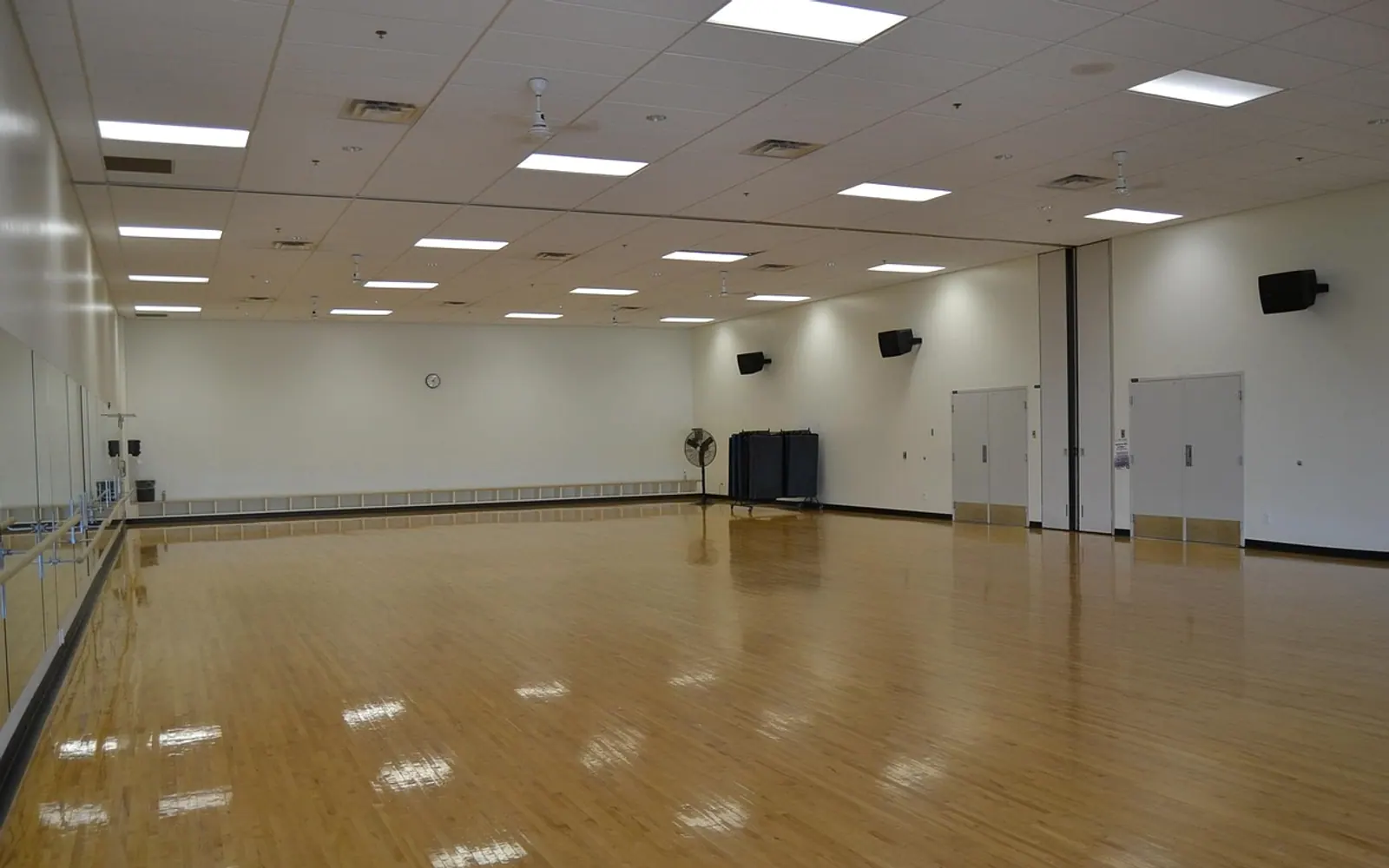
A one-off K-pop dance class in Seoul is a short, friendly session in which an instructor teaches a small group part of a routine from a well-known song, usually ending with a quick recording of the group performing it. You do not need any dance background to join a beginner class, only comfortable clothes, clean indoor shoes and a willingness to laugh at your own mistakes. Many studios welcome visitors, and a single class is enough to leave with a few eight-counts you can show off at home.
How a typical drop-in class runs
Classes for visitors tend to follow a familiar rhythm, even though every studio and instructor has a personal style. Knowing the outline in advance takes away most of the nerves.
- Warm-up. Expect gentle stretching, some isolations for the shoulders, chest and hips, and a few simple steps on the beat to wake the body up.
- Learning the routine. The instructor breaks a short section of choreography into counts, demonstrates each piece slowly, then adds the music. Steps are repeated many times before they are linked together.
- Run-throughs. The group dances the full section from start to finish, first at a reduced speed if the song allows it, then at full tempo.
- Filming. Most visitor classes finish with a recording of the group, sometimes in smaller lines so everyone gets a turn at the front of the mirror.
If counting music still feels unfamiliar, it helps to spend a little time beforehand on finding the beat in a song. Instructors count in eights, and catching the downbeat early makes every new step easier to place.
Choosing the right level
Studios usually describe classes as beginner, intermediate or open level. As a visitor, it pays to be honest with yourself. A beginner class moves at a pace that lets you enjoy the routine; an intermediate class assumes you can pick up choreography quickly and may skip over basics. Open classes can be a mix of both, which is fine if you are happy to stand near the back and absorb what you can.
Can I join if I have never danced before?
Yes. Beginner sessions for visitors are designed for people with no formal training. The goal is to have fun with the movement and the music, not to perform perfectly. If you have a medical condition, a recent injury or any doubts about your fitness, check with a doctor before booking a physical class.
Should I learn the song in advance?
It is not required, but listening to the track a few times on the way to the studio helps. When you already know where the chorus lands, the choreography feels less like a puzzle.
What to wear and bring
Comfort and freedom of movement matter more than looking the part. Loose trousers or joggers, a breathable top and a light layer for before and after class work well. Many studios ask dancers to change into clean indoor trainers, because street shoes bring grit onto the floor. A small bag with the following covers most needs:
- A water bottle you can refill.
- A small towel.
- A spare top if you plan to go out straight afterwards.
- Hair ties or a cap, as long as it does not block your view of the mirror.
- A charged phone if you want your own copy of the final video.
Studio etiquette for visitors
Dance studios in Seoul are generally relaxed, but a few courtesies go a long way. Arrive a little early so you can find the room, change shoes and settle in without interrupting the warm-up. Leave bags along the wall rather than in the dancing space. Keep phones away during teaching unless the instructor invites the class to film. When the group splits into lines, rotate positions so that everyone gets time near the front. Ask before filming anyone other than yourself, and thank the instructor at the end.
Where dance studios cluster
Studios tend to gather in districts with lots of young people, entertainment companies and good subway links. Gangnam is one such area, with studios tucked into the upper floors of office and shop buildings, often near busy stations. Hongdae, around the university area in the west of the city, is another, known for street performers and an easygoing creative scene. Searching for dance studios in either district will bring up several options, and many studios publish class timetables and booking forms online.
Looking after your body afterwards
A single class can surprise muscles you rarely use, particularly in the legs, back and shoulders. Some general habits help:
- Cool down gently. A slow walk and a few easy stretches after class help the body settle.
- Drink water and eat something. Refuel with a proper meal rather than skipping straight to the evening.
- Listen to soreness. Mild stiffness the next day is common. Sharp or lasting pain is not something to dance through; rest, and seek medical advice if it persists.
- Space out sessions. If you enjoy it, book a second class later in the trip instead of the next morning.
The routine also travels well. Once you are home, the video makes a handy reference, and the habits in this guide to learning to dance at home can help you keep practising without a studio.
Ending the day with friends
After an afternoon of counting eights, plenty of groups want to keep the music going in a calmer setting. A private karaoke room, known locally as a noraebang, is a natural next stop: you can sing the track you just learned, try the choreography in a smaller space and rest your legs between turns. Studios in Gangnam sit close to many karaoke rooms, and Korean-language listings such as 강남 가라오케 정보 are a handy way to see what the area offers before heading out. If drinks are part of the evening, pace yourself after the exertion of class, keep water on the table and leave the car behind.
Is it worth booking more than one class?
For many visitors, one class is a memorable experience in itself. Others find that a second session with a different instructor or style shows a new side of K-pop choreography. Either way, the best measure of a good class is simple: you leave with a smile, a short routine in your head and a video to replay on the flight home.