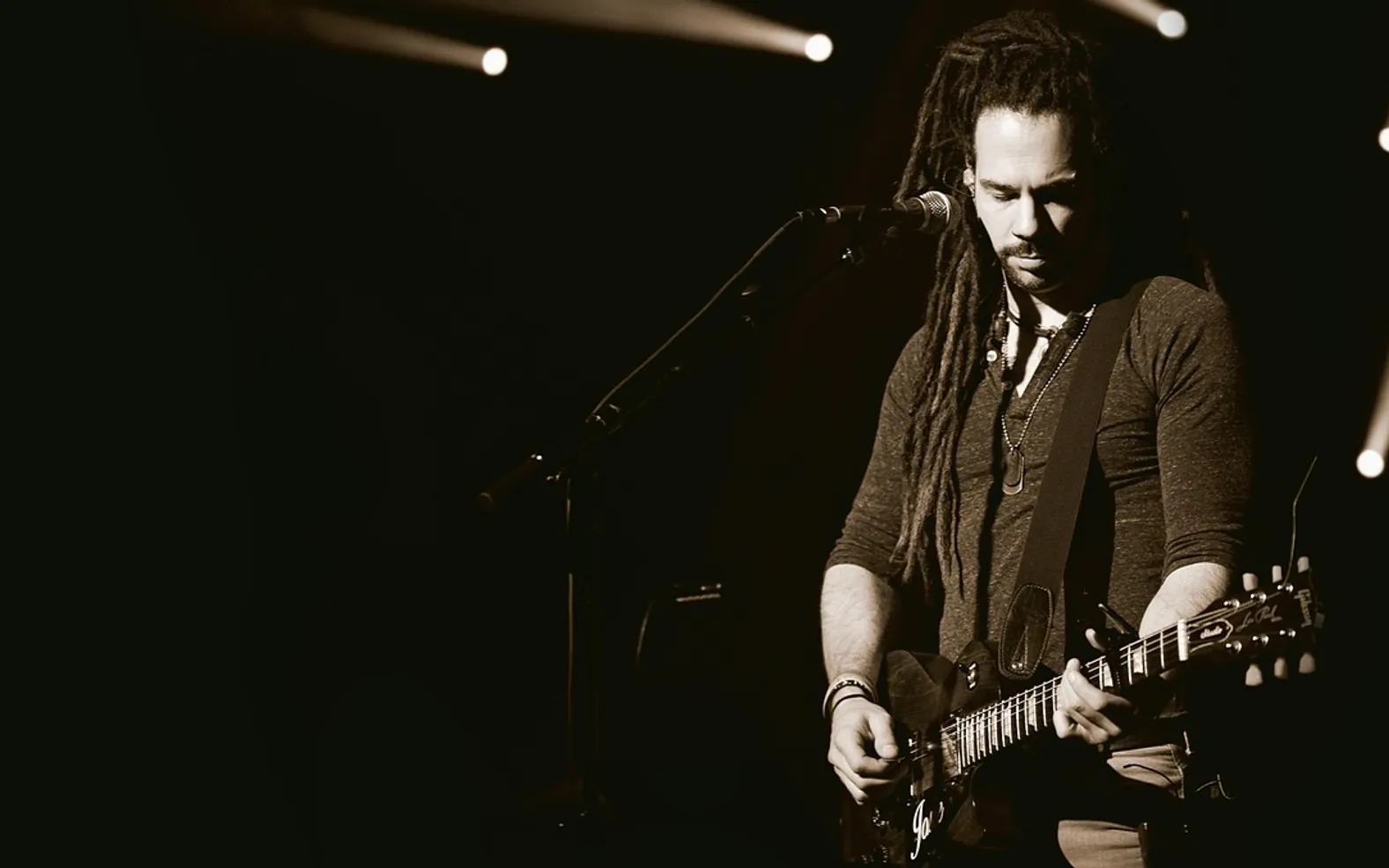
Independent musicians build an audience online by sharing the music itself in small, regular pieces: short performance clips, glimpses of rehearsals and recording, clear announcements of gigs and releases, and genuine replies to the people who listen. Working with other artists widens the circle, and a routine that fits around writing and playing keeps it going. There is no shortcut; listeners arrive gradually, and the ones who stay are the ones who feel they know the person behind the songs.
Without a label or a promotion budget, the internet is where most independent acts meet new listeners. The tools are free, but attention is not, so it helps to think about what to share and why before worrying about how often.
Short performance clips
A thirty-second clip of a chorus, a riff or a stripped-back verse is often the first contact someone has with a new artist. These clips work because they show the music being made by real people, not just a finished track behind a cover image.
- Lead with the strongest moment. Start on the hook or the most striking part, not on tuning up or a long intro.
- Keep the sound clean. A phone microphone close to an acoustic instrument often sounds better than a distant one picking up a whole room.
- Film in decent light. A window or a single lamp in front of you is enough.
- Vary the format. Solo takes, full-band versions, a live loop being built up, or a cover reworked in your own style.
It helps to know which section of a song carries it. Our explainer on how verses, choruses and bridges fit together is a useful way to think about which part to cut out for a clip.
Rehearsal and studio diaries
Listeners are curious about how songs come together. A short diary entry from rehearsal, a demo next to the finished version, a lyric sheet with crossings-out or a quick look at a pedal board gives people a reason to follow along between releases. These posts also take pressure off: not every update has to be a polished performance. Be honest about what is working and what is not; the uncertain middle of making a record is often more interesting than the result.
Announcing gigs and releases
Announcements are where many acts lose people, either by posting once and hoping, or by repeating the same flyer every day. A simple plan spreads the message without wearing it out.
| When | What to share |
|---|---|
| Four to six weeks before | Date, venue or release day, a short preview |
| Two weeks before | A clip from rehearsal or a second preview |
| The week of | Practical details: time, ticket link, where to listen |
| Afterwards | Thanks, a few photos or clips, what comes next |
Put the essential facts in the text itself, not only in an image, so they are easy to read and search for. Pin the latest announcement to the top of your profile until the date has passed.
Talking to listeners
Replying to comments and messages is where a passing listener turns into a fan. Thank people who share your music, answer questions about gear or lyrics, and remember the regulars who show up at gigs. Ask open questions now and then, such as which song people would like to hear live, and act on the answers where you can. A small mailing list alongside your profiles is worth starting early, because it is the one channel you control directly.
What if hardly anyone responds at first?
That is normal. Early posts often reach only friends and a few curious strangers. Keep the quality steady, treat each new listener with the same attention, and look back after several months rather than after each post.
Collaborations with other artists
Working with other musicians is one of the most natural ways to reach new people, because each act introduces the other to listeners who already like similar music. Ideas that suit independent artists include:
- sharing a bill and promoting the show together;
- recording a duet, remix or split release;
- swapping guest spots in each other's live streams or clips;
- putting together a shared playlist of local or like-minded acts.
A thoughtful playlist can also introduce your own songs in good company; our guide on putting together a playlist people actually enjoy covers the flow and variety that make listeners stay.
Keeping it sustainable
The biggest risk is not a slow start but burnout. Online work can quietly eat the hours meant for writing and practising. A few habits protect the music:
- Batch content: film several clips in one session and post them over the following weeks.
- Choose one or two platforms that suit your music and drop the rest.
- Set fixed times for replying to messages instead of checking all day.
- Share the load within a band, with one person handling announcements and another the clips.
Some acts reach a point where planning posts and campaigns around a tour or album takes more time than they can spare, and bring in outside help for a period. Agencies that describe themselves as Social Media Marketing Experts offer that kind of support, which some artists use around a release while keeping day-to-day contact with listeners in their own hands.
How long does it take to build a following?
There is no set timeline. It depends on the music, how often you release and play, and how consistently you show up online. Most independent acts grow in steps, often around a release or a run of gigs.
Treat online work as part of playing music rather than a separate job: share what you are already doing, talk to the people who listen, and let the songs set the pace.