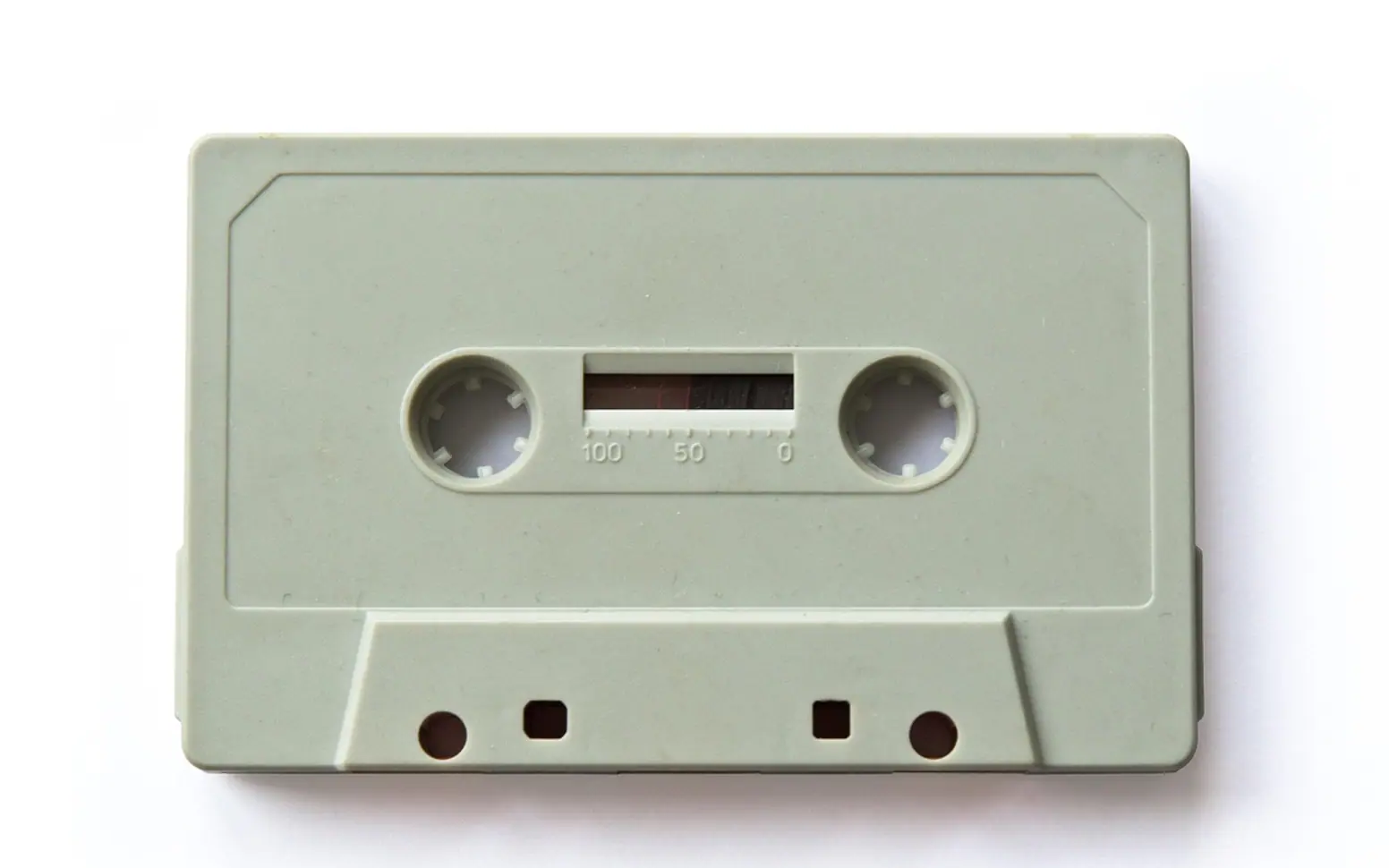
Lo-fi music is music that keeps, or deliberately adds, the imperfections that polished studio recordings try to remove: tape hiss, vinyl crackle, muffled highs, slightly wobbly pitch and a relaxed, unquantised groove. Today the term usually refers to mellow, mostly instrumental beats built from jazzy chords and soft drums, played quietly while people read, work or unwind. The label also covers a much older tradition of home-recorded indie music.
What does lo-fi mean?
Lo-fi is short for low fidelity, the opposite of hi-fi. Fidelity describes how faithfully a recording reproduces the original sound. A low-fidelity recording is one where the equipment, the room or the process leaves audible marks on the result. In everyday slang the word has spread further: a "lo-fi" party, video or wedding is simply one that is low-tech, homemade and pleasantly unpolished.
Two meanings, one attitude
The lofi meaning people have in mind depends on who is talking.
- Lo-fi as a recording approach. From the 1980s onwards, many indie and alternative musicians recorded at home on cassette four-track machines and cheap microphones. The rough sound was partly a budget limit and partly a statement: the song mattered more than the gloss.
- Lo-fi as a genre. Since the 2010s, "lo-fi" has more often meant lo-fi hip hop, sometimes called chillhop: calm instrumental tracks built on sampled or played chords, soft boom-bap drums and a warm, worn texture. Producers such as J Dilla, known for his loose, slightly off-grid drum timing, and Nujabes, who blended jazz with hip hop, are frequently named as major influences.
What links both is an attitude. Lo-fi favours warmth and character over technical perfection, and it makes the listener feel close to the person who made it.
The sound: what makes a track feel lo-fi
| Ingredient | What you hear | How producers get it |
|---|---|---|
| Jazzy harmony | Soft seventh and ninth chords on piano, guitar or electric keys | Short loops played or sampled, often repeated for the whole track |
| Lazy drums | Kick and snare that sit slightly behind the beat | Swing settings, hand-played parts, little or no quantising |
| Dusty texture | Crackle, hiss, gentle rumble | Recorded vinyl noise, tape emulation, room recordings |
| Muffled tone | Rounded highs, nothing sharp or bright | Low-pass filtering, reduced bit depth, older samplers |
| Wobble | Pitch that drifts very slightly | Tape-style "wow and flutter" effects |
| Field sounds | Rain, traffic, a café murmur | Ambient recordings layered quietly underneath |
Tempos are typically unhurried, and the structure is simple. Rather than the verse, chorus and bridge described in our guide to song structure, a lo-fi beat usually loops one or two short sections and changes them gently, adding or removing a layer every so often.
Why the study-beats format caught on
The modern scene grew around long playlists and round-the-clock livestreams, often paired with a looping illustration of someone studying by a window. Several things made the format popular:
- No lyrics to follow. Instrumental music competes less with reading or writing than songs with words, although how well anyone works with music on is very personal.
- Steady mood. There are few sudden peaks or drops, so the music stays in the background.
- Nostalgia. The crackle and soft focus suggest old records and rainy afternoons, a feeling many listeners find comforting.
- Low barriers for makers. A laptop, headphones and a little patience are enough to produce a track, so a huge community of bedroom producers formed.
Popular lo-fi styles
- Lo-fi hip hop and chillhop: the classic study-beat sound.
- Lo-fi jazz: more live instruments, brushed drums, walking bass.
- Lo-fi house: a hazy, deliberately rough take on house music with a four-on-the-floor kick.
- Ambient lo-fi: very slow, pad-based pieces with little or no drumming.
- Lo-fi indie and bedroom pop: songs with vocals, recorded intimately at home.
- Seasonal mixes: autumn, winter or holiday collections that lean into cosy imagery.
Listening to lo-fi at home
Lo-fi suits evenings in particularly well: a long, low-key stream while cooking, a soft backdrop for a board game, or a wind-down mix before sleep. If you want to build your own, sequence tracks with similar tempos and keys so one melts into the next; the ideas in our piece on making a playlist people actually enjoy apply nicely. And because so much of the style borrows the sound of records, some listeners like to hear the real thing; a properly adjusted deck makes a difference, as our guide on how to set up a turntable explains.
Common questions
Is lo-fi a genre?
Both, really. It began as a description of how something was recorded and has become a genre label for a specific mellow beat style. Context tells you which one is meant.
Is lo-fi the same as chillhop?
They overlap heavily. Chillhop usually describes relaxed hip hop instrumentals, which can be clean or dusty. Lo-fi emphasises the worn, imperfect texture.
Do lo-fi tracks use real vinyl?
Sometimes. Many producers sample old records directly, while others add crackle and tape effects digitally to clean recordings to create the same impression.
Can I make lo-fi music without training?
Yes, which is part of the appeal. Basic chord knowledge helps, and learning a few seventh chords on keys or guitar goes a long way, but the style rewards taste and patience more than technical skill.