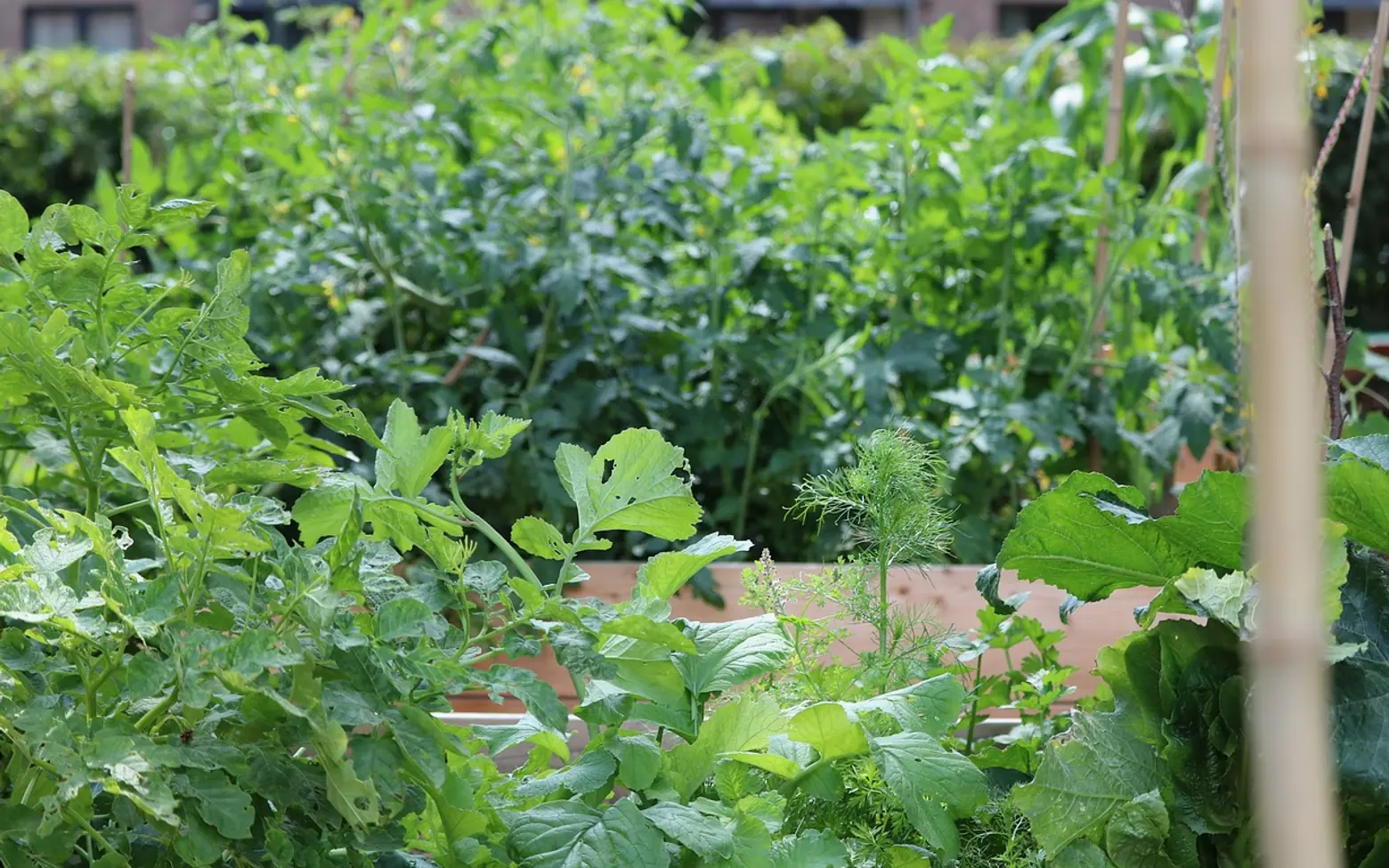
There is a particular pleasure in eating something you grew yourself. A handful of salad leaves, a bowl of sun-warm tomatoes or a few pods of peas picked straight off the plant taste better than almost anything from a shop, partly because of the effort and partly because they are so fresh.
If you have never grown food before, the list of things to learn can feel long. In practice, a vegetable garden comes down to a handful of decisions: where to put it, what soil to give it, which crops to choose and how to look after them. This guide covers each step.
Start smaller than you think
Enthusiasm in spring often leads to a big plot that is overwhelming by midsummer. Weeds grow faster than you can pull them, and watering becomes a chore. A small bed, a couple of large containers or a single raised bed is plenty for a first season. You can always expand once you know how much time you really have.
Find the sunniest spot you have
Most vegetables need plenty of direct sun, ideally the larger part of the day. Spend a day noticing where light falls in your garden, yard or balcony and where shadows from fences, trees and buildings land. Choose the brightest area that is also close to a water source, because carrying heavy cans across a long distance gets old quickly.
- Full sun: tomatoes, peppers, beans, courgettes and squash.
- Partial shade: lettuce, spinach, chard and many herbs cope with less light.
- Shelter: a spot protected from strong wind helps tall plants and young seedlings.
Choose your growing method
| Method | Best for | Things to consider |
|---|---|---|
| In-ground bed | Larger gardens with decent soil | Needs digging and weeding to start |
| Raised bed | Poor or compacted soil, easier access | Needs filling with soil and compost |
| Containers | Patios, balconies and small spaces | Dries out faster, needs regular watering |
| Grow bags | Trying a crop before committing | Lightweight but short-lived |
If you are planning other outdoor projects, such as a new deck, think about how they fit together. Our guide to stress-free deck building is a useful read if you want your growing space and seating area to work side by side.
Prepare the soil
Healthy soil is the foundation of a good harvest. Clear away grass and weeds, loosen the ground with a fork, and work in a generous layer of well-rotted compost or manure. Compost improves structure, helps sandy soil hold water and helps heavy clay drain better.
For raised beds and containers, use a good-quality mix intended for vegetables rather than ordinary garden soil, which can compact in pots. Avoid planting into soil that is waterlogged or frozen; wait for it to become workable.
Pick forgiving crops for your first year
Some vegetables are famously generous with beginners. They germinate easily, grow quickly and forgive the odd mistake.
- Radishes sprout fast and are ready in a few weeks.
- Salad leaves can be cut repeatedly and regrow.
- Bush or climbing beans produce steadily through summer.
- Courgettes are so productive that one or two plants are often enough.
- Cherry tomatoes tend to be easier than large varieties.
- Herbs such as parsley and chives fill gaps and season everything.
If you love cooking with herbs, you can grow some on a windowsill as well. Our guide on how to grow herbs indoors explains how to keep a kitchen supply going all year.
Plant at the right time
Timing depends heavily on your local climate. Seed packets usually show sowing and planting windows, and local gardening groups or neighbours with vegetable patches are excellent sources of advice. As a general pattern, hardy crops such as peas, spinach and radishes go in earlier, while frost-tender plants such as tomatoes, beans and squash wait until the risk of frost has passed.
Seeds or young plants?
Seeds are inexpensive and satisfying, but some crops take a long time to reach planting size. Buying a few young plants of slow growers like tomatoes and peppers, and sowing fast crops directly from seed, is a sensible balance for a first season.
Water and mulch wisely
Deep, less frequent watering encourages roots to grow downward, while light daily sprinkles keep roots shallow. Water at the base of plants rather than over the leaves, and do it in the morning or evening when less evaporates. A layer of mulch, such as straw, shredded leaves or compost, keeps moisture in and weeds down.
Keep a simple routine
- Walk around the garden every day or two, even for just a few minutes.
- Pull small weeds while they are easy to remove.
- Check the undersides of leaves for pests and pick them off by hand where you can.
- Harvest regularly; many plants produce more when picked often.
- Write down what you planted and when, so next year is easier.
Expect a few failures. Every gardener loses a crop to slugs, weather or simple bad luck now and then. What stays with you is the first evening you cook with something you grew, and the urge to try a little more next year.