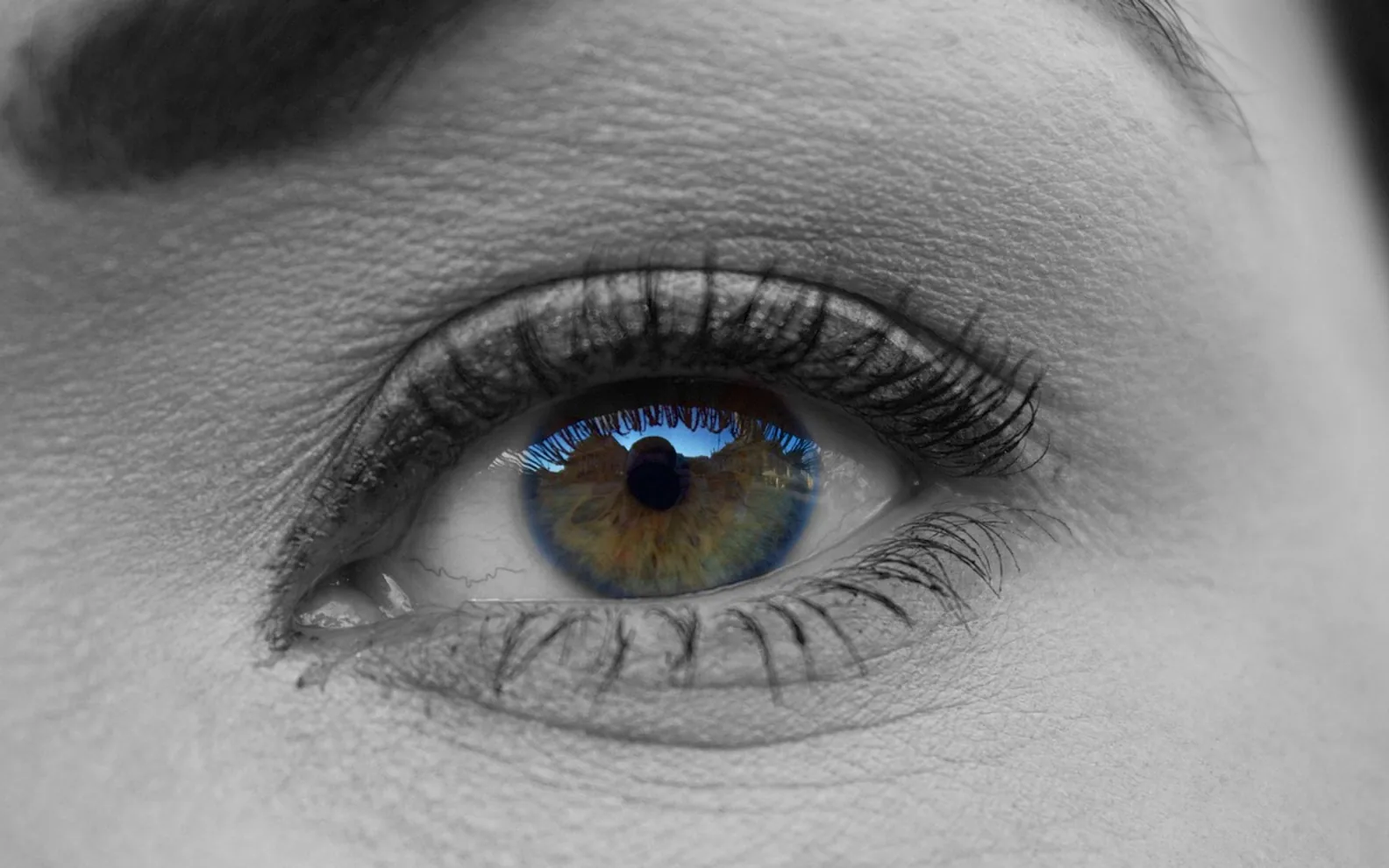
Plenty of people start each morning by spending a few careful minutes drawing on their brows. Eyebrow permanent makeup, often shortened to PMU, offers a way to wake up with that shape already in place. It is a semi-permanent cosmetic tattoo, and like any procedure that breaks the skin, it rewards a bit of homework before the first appointment.
How the treatment works
A trained artist places small amounts of pigment into the upper layers of the skin. The aim is not a solid tattooed block but soft strokes or a gentle shadow that mimics real brows. Because the pigment sits relatively shallowly, it fades over the following years, which is why most people return for a top-up from time to time. In the Netherlands, clinics usually list this service as wenkbrauw pmu, and specialist practices tend to focus on natural-looking shapes that suit each face rather than one trendy outline for everyone.
Choosing a style
- Microblading: a hand tool creates fine, hair-like strokes. It suits people with drier or normal skin who want subtle definition.
- Powder or ombré brows: a machine builds soft shading, lighter at the front and deeper toward the tail, similar to brow powder.
- Combination brows: strokes at the front with shading through the body and tail, for texture plus fullness.
Skin type matters. Oily skin can blur fine strokes over time, so artists may recommend shading instead. A good practitioner will explain why a particular method fits your skin and lifestyle.
The consultation: questions worth asking
- What training and hygiene standards does the practice follow, and is it registered as required locally?
- Can I see healed results, not just fresh photos taken on the day?
- Will you do a patch test for the pigment?
- How do you map the shape, and can I approve it before you begin?
- What does aftercare involve, and when is the follow-up session?
Mention any allergies, skin conditions, blood-thinning medication, pregnancy or recent cosmetic treatments. Some situations mean the procedure should be postponed, and a responsible clinic will say so. If you are unsure whether it is suitable for you, a GP or dermatologist can advise.
Healing and aftercare
Brows usually look darker and sharper in the first days, then soften as the skin heals. Light flaking is common. Keeping the area clean and dry, avoiding saunas, swimming and heavy sweating for a while, and not picking at scabs all help the pigment settle evenly. A touch-up appointment some weeks later lets the artist fill any gaps. Redness that spreads, swelling or warmth should be checked by a doctor promptly.
Living with the results
Sun exposure, skincare acids and natural skin renewal all affect how long the colour lasts. Sunscreen on healed brows helps them fade more gracefully. Removing or correcting PMU is possible but takes time, which is why choosing an experienced artist and a soft, natural design at the start is the wisest route to brows you will be happy with for years.